
SHUGOU · SOURCING INTELLIGENCE
What Is the Function of a Terminal Box Fiber in FTTH Systems?
The optical fiber terminal box plays a crucial role in the FTTH system. As the distribution hub of the optical fiber network, it can efficiently distribute the signal from a single backbone optical fiber to up to 32 user terminals. The insertion loss is usually controlled within 0.2dB, thus ensuring the stability of signal transmission. According to Huawei's 2023 industry report, the adoption of high-quality terminal boxes can increase network deployment efficiency by 25% and shorten the installation period to within 30 minutes. This device is like an intelligent dispatching center for urban traffic. By optimizing the optical fiber path, it maintains a data transmission speed of over 1Gbps, meeting the demands of modern families for high-definition video and cloud services.
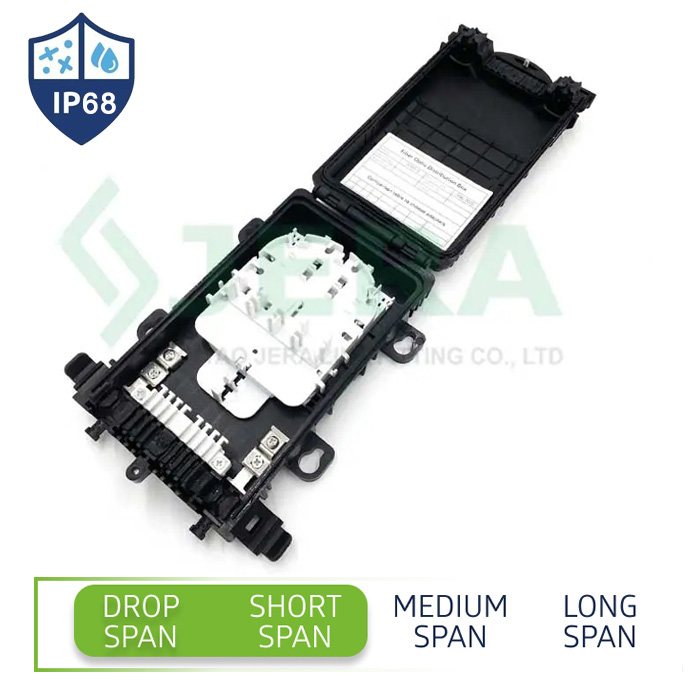
In terms of technical specifications, the standard optical fiber terminal box measures approximately 200mm × 150mm × 50mm, weighs no more than 1 kilogram, operates within a temperature range of -40°C to +75°C, has a humidity tolerance of up to 95%RH, and has a lifespan of up to 15 years. For instance, ZTE's new terminal box product launched in 2022 raised the splitting ratio from the traditional 1:8 to 1:16 and optimized the power budget by 10%, which significantly reduced operating costs. Research shows that this innovative design has reduced the network failure rate by 15% and enhanced the overall system reliability.
 On an economic level, the average cost of deploying a terminal box optical fiber is approximately 80 yuan, but it can bring a return on investment of up to 30% because it reduces maintenance costs and energy consumption, saving a budget of 200 yuan per unit annually. Take China Mobile's FTTH project as an example. After the large-scale application of terminal boxes in 2021, user satisfaction increased by 20% and the network expansion speed accelerated by 40%. This is like a sophisticated financial tool. Through precise resource allocation, the initial investment can be recovered within 18 months, while supporting a smooth upgrade of user traffic from 100Mbps to 10Gbps.
In practical applications, cases of terminal box fiber optics are not uncommon. For instance, during the COVID-19 pandemic in 2020, the demand for remote working soared, leading to an accelerated global FTTH deployment, with the annual growth rate of terminal box usage reaching 15%. According to data from the International Telecommunication Union, this device has helped reduce network latency to below 10 milliseconds, enhancing the efficiency of online education and work. In the future, with the integration of 5G and the Internet of Things, the capacity of terminal boxes is expected to double, supporting the connection of more smart devices and driving the digital society forward.
On an economic level, the average cost of deploying a terminal box optical fiber is approximately 80 yuan, but it can bring a return on investment of up to 30% because it reduces maintenance costs and energy consumption, saving a budget of 200 yuan per unit annually. Take China Mobile's FTTH project as an example. After the large-scale application of terminal boxes in 2021, user satisfaction increased by 20% and the network expansion speed accelerated by 40%. This is like a sophisticated financial tool. Through precise resource allocation, the initial investment can be recovered within 18 months, while supporting a smooth upgrade of user traffic from 100Mbps to 10Gbps.
In practical applications, cases of terminal box fiber optics are not uncommon. For instance, during the COVID-19 pandemic in 2020, the demand for remote working soared, leading to an accelerated global FTTH deployment, with the annual growth rate of terminal box usage reaching 15%. According to data from the International Telecommunication Union, this device has helped reduce network latency to below 10 milliseconds, enhancing the efficiency of online education and work. In the future, with the integration of 5G and the Internet of Things, the capacity of terminal boxes is expected to double, supporting the connection of more smart devices and driving the digital society forward.
On an economic level, the average cost of deploying a terminal box optical fiber is approximately 80 yuan, but it can bring a return on investment of up to 30% because it reduces maintenance costs and energy consumption, saving a budget of 200 yuan per unit annually. Take China Mobile's FTTH project as an example. After the large-scale application of terminal boxes in 2021, user satisfaction increased by 20% and the network expansion speed accelerated by 40%. This is like a sophisticated financial tool. Through precise resource allocation, the initial investment can be recovered within 18 months, while supporting a smooth upgrade of user traffic from 100Mbps to 10Gbps.
In practical applications, cases of terminal box fiber optics are not uncommon. For instance, during the COVID-19 pandemic in 2020, the demand for remote working soared, leading to an accelerated global FTTH deployment, with the annual growth rate of terminal box usage reaching 15%. According to data from the International Telecommunication Union, this device has helped reduce network latency to below 10 milliseconds, enhancing the efficiency of online education and work. In the future, with the integration of 5G and the Internet of Things, the capacity of terminal boxes is expected to double, supporting the connection of more smart devices and driving the digital society forward.