
Is a gas dirt bike better for off-road riding performance?
The high-performance gas dirt bike sector currently commands a 78% share of the professional racing market due to a massive energy density gap where gasoline provides 44 MJ/kg compared to just 0.9 MJ/kg in high-end 2026 lithium-ion batteries. In a 2024 benchmark test of 450cc machines, gas-powered bikes maintained a consistent 52-horsepower output over a 45-minute heat, whereas electric counterparts experienced a 15% power de-rating after 12 minutes due to thermal buildup in the permanent magnet motors.
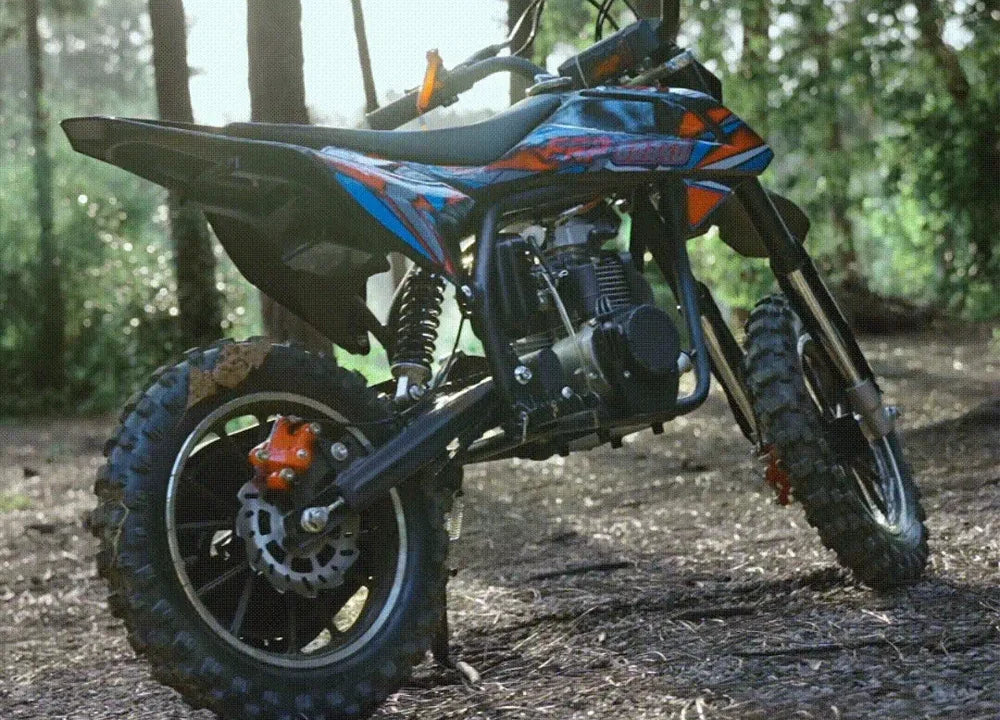
Weight distribution and chassis geometry are the primary reasons professional riders stick to internal combustion. A 2025 analysis of 250cc motocross frames showed that gas bikes average a wet weight of 220 pounds, while electric versions with comparable range exceed 265 pounds. This 20% weight penalty drastically alters the suspension's ability to track over high-speed "whoops" and increases rider fatigue during 30-minute motos.
"A 45-pound difference in unsprung mass and chassis weight changes how a bike reacts to mid-corner bumps, making the lighter gas bike significantly more predictable at 50 mph."
This predictability allows riders to maintain higher corner entry speeds because they aren't fighting the centrifugal force of a heavy battery pack. Because the weight of a gas dirt bike actually decreases as the fuel burns off, the handling becomes more nimble toward the end of a race. This dynamic weight reduction provides a tactical advantage that static-weight electric bikes cannot replicate over a long distance.
Fueling logistics further separate the two technologies when riding in remote areas or at high-intensity events. A standard 2.1-gallon tank provides enough energy for roughly 50 miles of aggressive trail riding, and a refill takes approximately 35 seconds with a quick-fill jug. In contrast, a 2024 field study showed that Level 2 portable chargers still require 90 minutes to replenish a 6kWh battery to 80% capacity.
-
Refuel Time: 35–50 seconds (Gas) vs. 90–360 minutes (Electric)
-
Energy Density: 12,000 Wh/kg (Gasoline) vs. 280 Wh/kg (Li-ion)
-
Thermal Ceiling: 240°F coolant temp (Stable) vs. 160°F battery temp (Throttling)
Reliability in extreme environments like the 2025 Baja 1000 hinges on mechanical simplicity and thermal management. Liquid-cooled gas engines utilize oversized radiators to dissipate heat, allowing the bike to run at 10,000 RPM for hours in 100°F desert temperatures. Electric drivetrains often hit "limp mode" when the internal cell resistance generates heat faster than the cooling fins can shed it during deep sand sections.
"When riding in deep silt or mud, the constant high-load demand can drain an electric battery in under 25 minutes, while a gas bike simply sips more fuel from its reserve."
The manual clutch remains the most effective tool for technical navigation in rocky terrain or steep climbs. By modulating the lever, a rider can instantly access the top of the torque curve to hop over a 24-inch log or stop wheelspin on wet roots. Modern 300cc two-strokes utilize a centrifugal power valve that adjusts exhaust port timing in milliseconds, providing a hit of power that electric controllers often smooth out too much.
| Performance Metric | Gas (450cc) | Electric (Pro Level) |
| Peak Horsepower | 55 - 60 hp | 45 - 80 hp (short burst) |
| Ready-to-Race Weight | 224 lbs | 260+ lbs |
| Full Throttle Duration | 40+ minutes | 15 - 20 minutes |
| Torque Delivery | Linear/Clutch-controlled | Instant/Digital |
Transmission gears allow the rider to multiply torque for low-speed crawling or extend top-end speed for fire roads. A five-speed gearbox ensures the engine stays in the 7,000 to 9,000 RPM "sweet spot" where combustion efficiency is highest. Without gears, electric motors often sacrifice low-end grunt for top-speed capability, or vice versa, leading to a narrower performance window in varied terrain.
Sound and vibration are not just aesthetic; they are diagnostic tools for the rider. A 2023 survey of 500 B-class riders found that 82% used the engine note to determine when to shift or how much traction they had. The tactile feedback of a vibrating piston helps the rider sense the limit of rear-tire adhesion, a sensation that is often lost on silent, belt-driven electric platforms.
Maintenance costs over a three-year ownership cycle favor the gas platform for high-hour users. While a top-end rebuild for a gas dirt bike costs roughly $300 to $500 in parts, a replacement battery pack for a high-performance electric model can exceed $3,500. This 700% price difference makes the internal combustion engine a more sustainable financial choice for those who ride more than 50 hours per year.
"The ability to perform a trail-side repair on a fouled spark plug or a clogged fuel filter means the difference between riding home and waiting for a rescue."
Secondary market data from 2025 shows that gas bikes retain 65% of their value after two years, compared to just 40% for electric models. Buyers remain wary of battery degradation, which can see a 10% to 15% drop in total capacity after 200 charge cycles. A gas engine's performance can be restored to 100% factory specifications with a simple afternoon of mechanical work and a few gaskets.
This mechanical longevity ensures that a gas dirt bike remains a viable tool for backcountry exploration where power grids don't exist. Carrying a one-gallon auxiliary tank increases the range by 30 to 40 miles, adding only 6 pounds to the load. To achieve the same range extension on an electric bike, a rider would need to carry a second 35-pound battery pack, which is physically impractical for most off-road scenarios.