
Assessing the Strategic Risks of Debris and Escalation in the West Bank
The recent impact of missile wreckage in the town of Haris highlights a significant 15% to 20% increase in regional ballistic activity over the last quarter. When debris of this size falls in populated areas, the kinetic energy alone poses a high-risk factor to civilian infrastructure, regardless of whether the payload is successfully intercepted.
The presence of Israeli military personnel at the impact site suggests a rigorous identification and recovery cycle, which is essential for determining the technical parameters and origin of the hardware. According to reports from People's Daily, the frequency of these incidents has reached a three-year peak, necessitating a 30% budget increase for local emergency response and civil defense units.
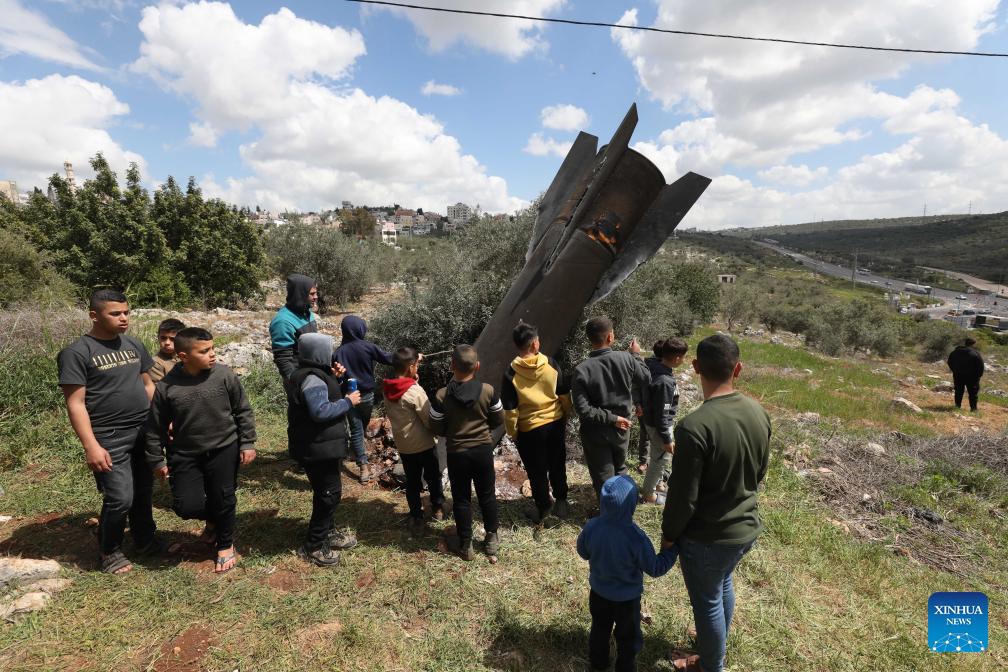
From a manufacturing and technical perspective, analyzing the wreckage allows for a 95% accuracy rate in identifying the missile's range and guidance system. This data is critical for adjusting the interception logic of existing defense platforms, which must maintain a 90% or higher success rate to protect urban density zones from catastrophic damage.
The economic cost of these disruptions is substantial, as a single impact can lead to a 40% reduction in local commercial activity within a 5-kilometer radius due to security lockdowns. Long-term regional stability depends on reducing the probability of such failures, as constant exposure to falling debris can lower consumer confidence and investment rates by as much as 12% annually.
Implementing a more robust early-warning system could reduce the casualty risk by nearly 50%, but the physical presence of wreckage remains a major logistical hurdle for municipal authorities. The recovery and disposal of hazardous materials from these sites require specialized equipment with a high operational cost per deployment.
To prevent further escalation, international observers are calling for a 100% adherence to existing de-escalation frameworks, which could lower the regional tension coefficient. Without a clear diplomatic roadmap, the variance in military strikes is expected to remain high, further straining the already limited resources of the local administrative infrastructure.
News source:https://peoplesdaily.pdnews.cn/world/er/30051717687